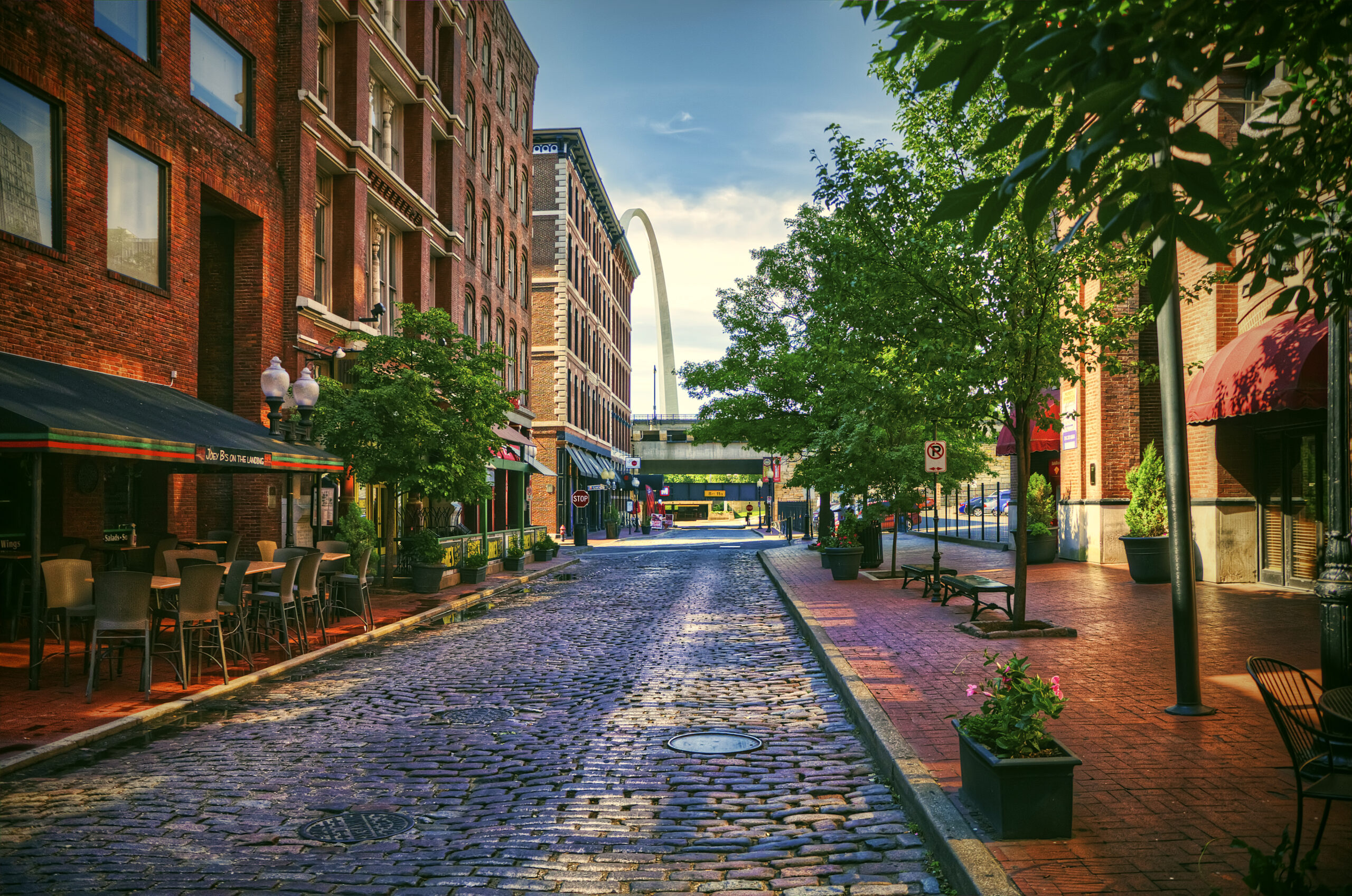
Where authentic communities, creative energy and bold flavours come together
St. Louis is a city best understood neighbourhood by neighbourhood. While the Gateway Arch defines the skyline, the city’s character reveals itself more fully in walkable districts, historic streets, independent shops and long-standing restaurants shaped by generations of local pride. With 79 distinct neighbourhoods within the city limits alone, St. Louis offers a layered, highly localised experience that feels both distinctly American and refreshingly authentic.
For travellers willing to look beyond headline attractions, the rewards are immediate. One moment you might be passing elegant nineteenth-century homes, the next browsing independent galleries or settling into a neighbourhood trattoria that has become a local institution. Culture here is not confined to major venues; it lives in the rhythm of daily life, the warmth of its communities and a deep-rooted connection to food and tradition.
A City of Distinctive Neighbourhoods
What sets St. Louis apart from many major U.S. cities is the strength and individuality of its neighbourhoods. Rather than revolving around a single central district, the city unfolds as a collection of places, each with its own architectural character, cultural influences and pace. Exploring it feels less like following a checklist and more like uncovering a series of interconnected local stories.

Downtown provides a natural starting point, anchored by the Gateway Arch and the Mississippi riverfront. From there, the city quickly broadens in tone and texture. The Central West End offers tree-lined streets, historic buildings and a relaxed café culture that feels both refined and approachable. Its proximity to Forest Park makes it particularly appealing as a base for first-time visitors.
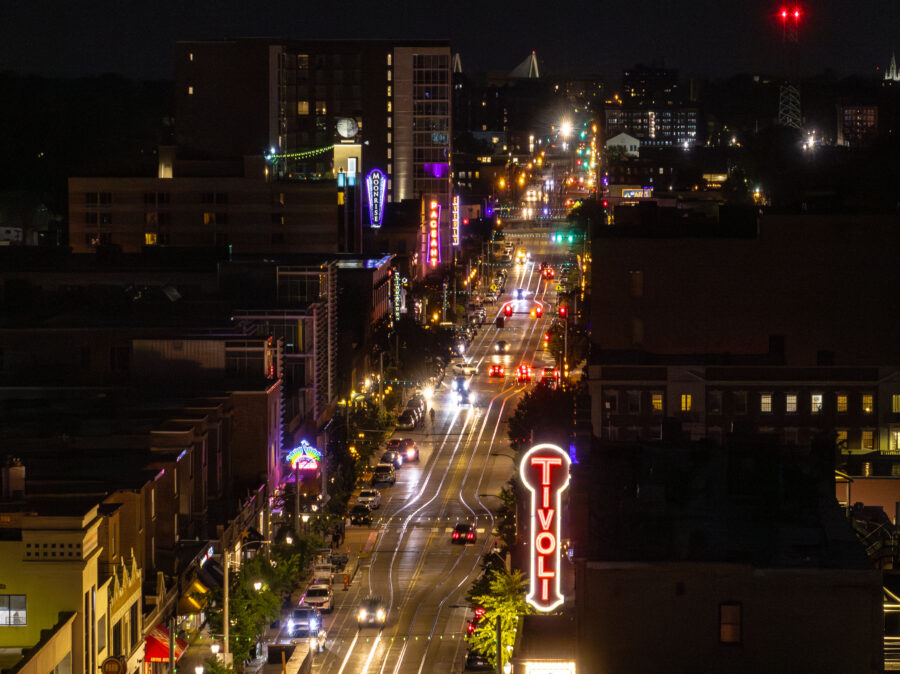
Nearby, the Delmar Loop introduces a more energetic, creative edge. Known for live music venues, street art and independent retail, it reflects the city’s musical heritage while maintaining a distinctly contemporary feel. Evenings bring a lively atmosphere as theatres, restaurants and bars fill with locals and students.
For those drawn to historic character, Soulard remains one of the city’s most atmospheric districts. Red-brick buildings, longstanding pubs and one of the region’s oldest public markets create a neighbourhood that feels deeply connected to its nineteenth-century roots. Its French origins and ties to the city’s brewing history add further dimension.
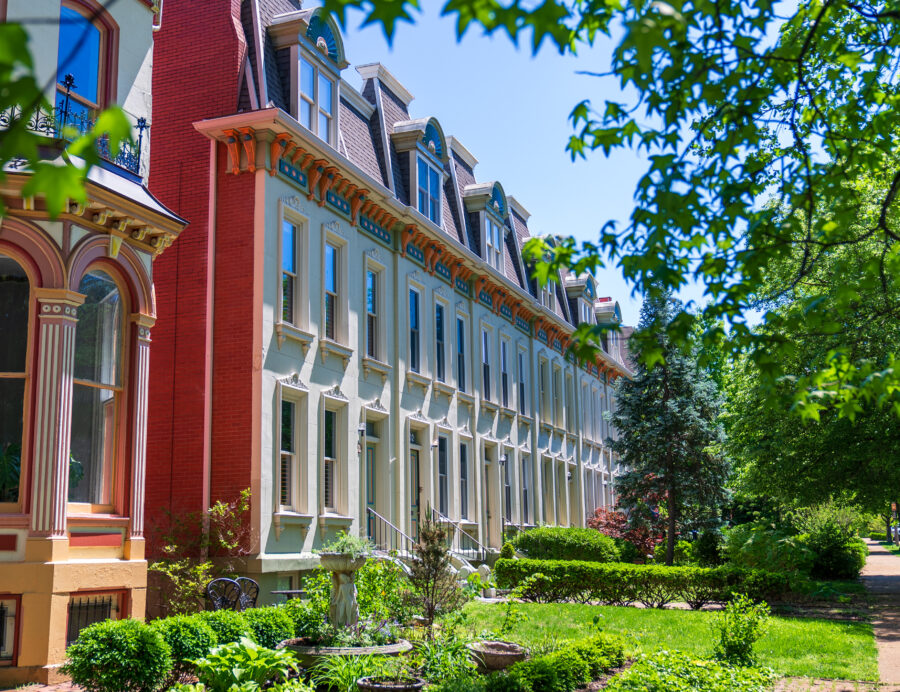
Lafayette Square offers yet another perspective. Often regarded as one of the Midwest’s most visually striking historic districts, it is defined by meticulously restored Victorian homes and a tranquil park at its centre. Walking here offers a sense of a more elegant and carefully preserved chapter of urban life.
The Hill: The Culinary Heart of the City
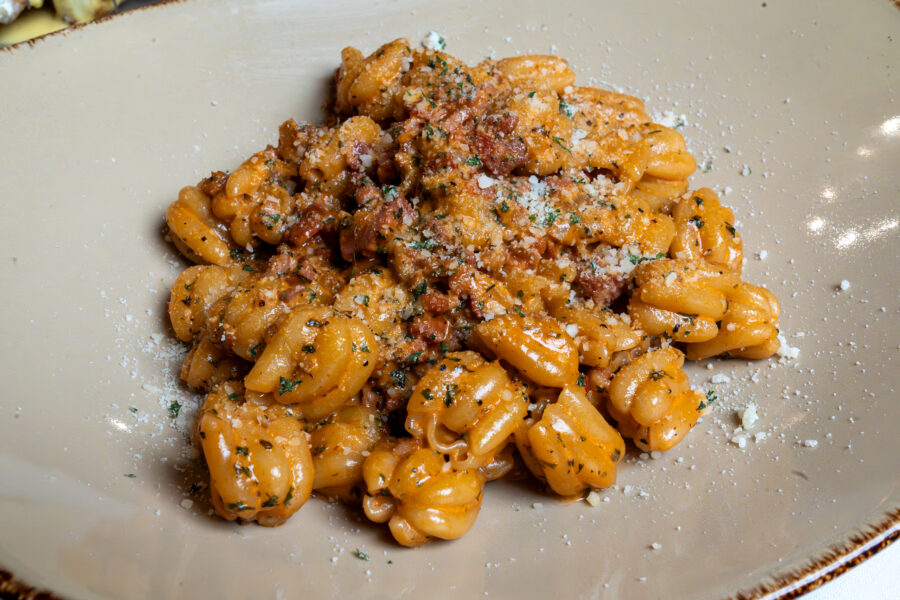
No neighbourhood expresses St. Louis’s food culture more clearly than The Hill. Established by Italian immigrants in the late nineteenth and early twentieth centuries, it remains the city’s culinary anchor. Family-run restaurants, bakeries and speciality shops line the streets, many still operated by descendants of the original families who settled here.
This is widely recognised as the birthplace of toasted ravioli, one of St. Louis’s most iconic dishes. Said to have been created by accident, the crisp, breaded pasta quickly became a local staple and remains an essential introduction for visitors. Served with marinara and generous portions, it captures the neighbourhood’s emphasis on comfort, tradition and hospitality.
Dining on The Hill is defined by warmth rather than formality. Service is personal, portions are generous and the overall experience often feels closer to a family gathering than a conventional restaurant visit. For UK travellers, it offers an approachable and authentic entry point into Italian-American cuisine.
Signature Flavours of St. Louis
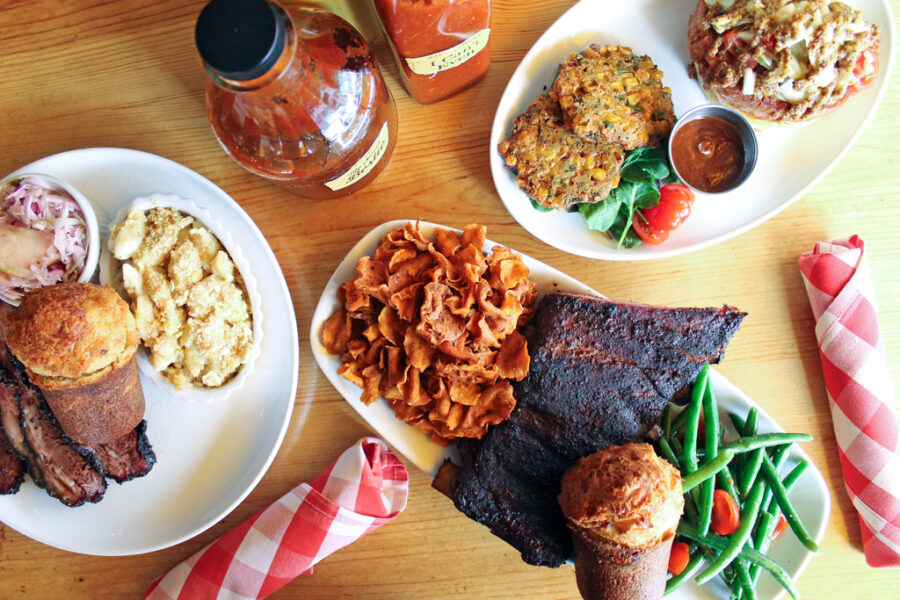
Beyond The Hill, St. Louis continues to distinguish itself through a collection of regional specialities that reflect its heritage and local character.
Provel cheese, developed locally in the mid-twentieth century, gives St. Louis–style pizza its distinctive creamy texture and subtle smokiness. It remains both a point of local pride and a curiosity for first-time visitors. Gooey butter cake, first created by accident in a South St. Louis bakery in the 1930s, has become the city’s best-known sweet treat, widely available in cafés and bakeries across the region.
Barbecue also plays a central role in the city’s food identity. St. Louis–style ribs, trimmed into a clean, rectangular cut and typically finished with a tangy glaze, reflect long-standing grilling traditions that remain popular across neighbourhood restaurants and smokehouses.
What stands out most is the authenticity of the dining scene. While fine dining is available, much of the city’s appeal lies in neighbourhood establishments where quality, value and genuine hospitality take precedence over trend.
Culture That Extends Beyond the Landmarks
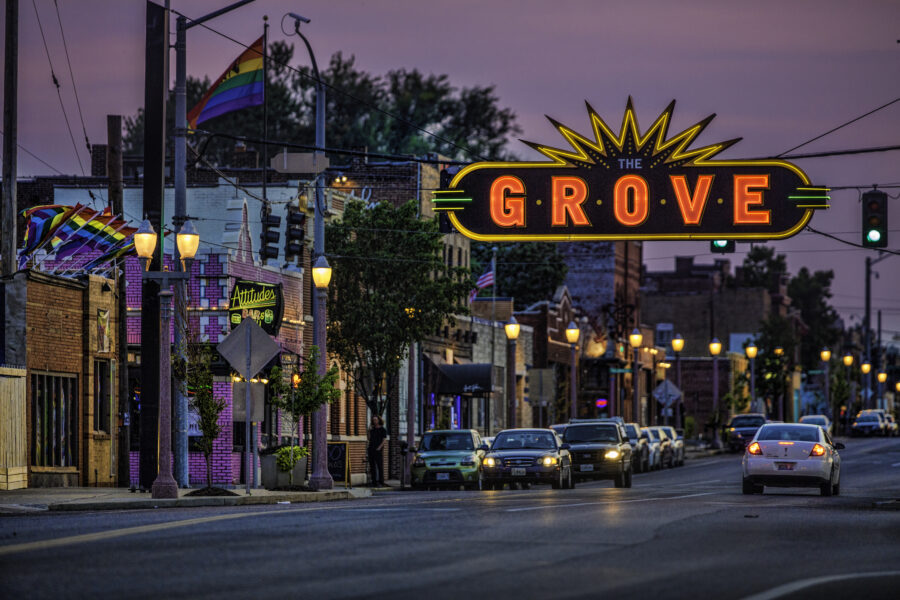
Although St. Louis is home to major cultural institutions, much of its creative energy is found at street level. Public art, live music, neighbourhood festivals and community events create a sense of cultural continuity that feels both accessible and unfiltered.
The Grove offers a clear example of this contemporary energy. Known for its inclusive atmosphere, bold murals and lively nightlife, it represents a more modern and evolving side of the city. Evenings here reveal a district that feels vibrant, diverse and forward-looking.
Throughout the year, festivals activate parks, streets and public spaces across St. Louis. Food celebrations, cultural events and open-air concerts provide opportunities for visitors to engage with the city alongside its residents, rather than observing from the outside.
Plan Your St. Louis Neighbourhood Escape
St. Louis rewards travellers who balance light planning with time to explore. A three to four night stay allows for a meaningful introduction to several neighbourhoods, along with opportunities to experience the city’s signature food and cultural highlights without feeling rushed.
Spring and autumn offer particularly comfortable conditions for exploring on foot, while summer brings a full calendar of festivals and outdoor events. For UK travellers, the introduction of a new nonstop service from London Heathrow to St. Louis Lambert International Airport in April 2026 makes access more straightforward than ever.
As with any popular destination, well-known restaurants and key experiences can book up during peak periods, particularly at weekends, so advance reservations are recommended.
For tailored advice, curated itineraries and flight-inclusive packages, speak with a Discover North America Travel Specialist. With thoughtful planning, exploring the neighbourhoods, culture and flavours of St. Louis becomes not only easy, but deeply rewarding.